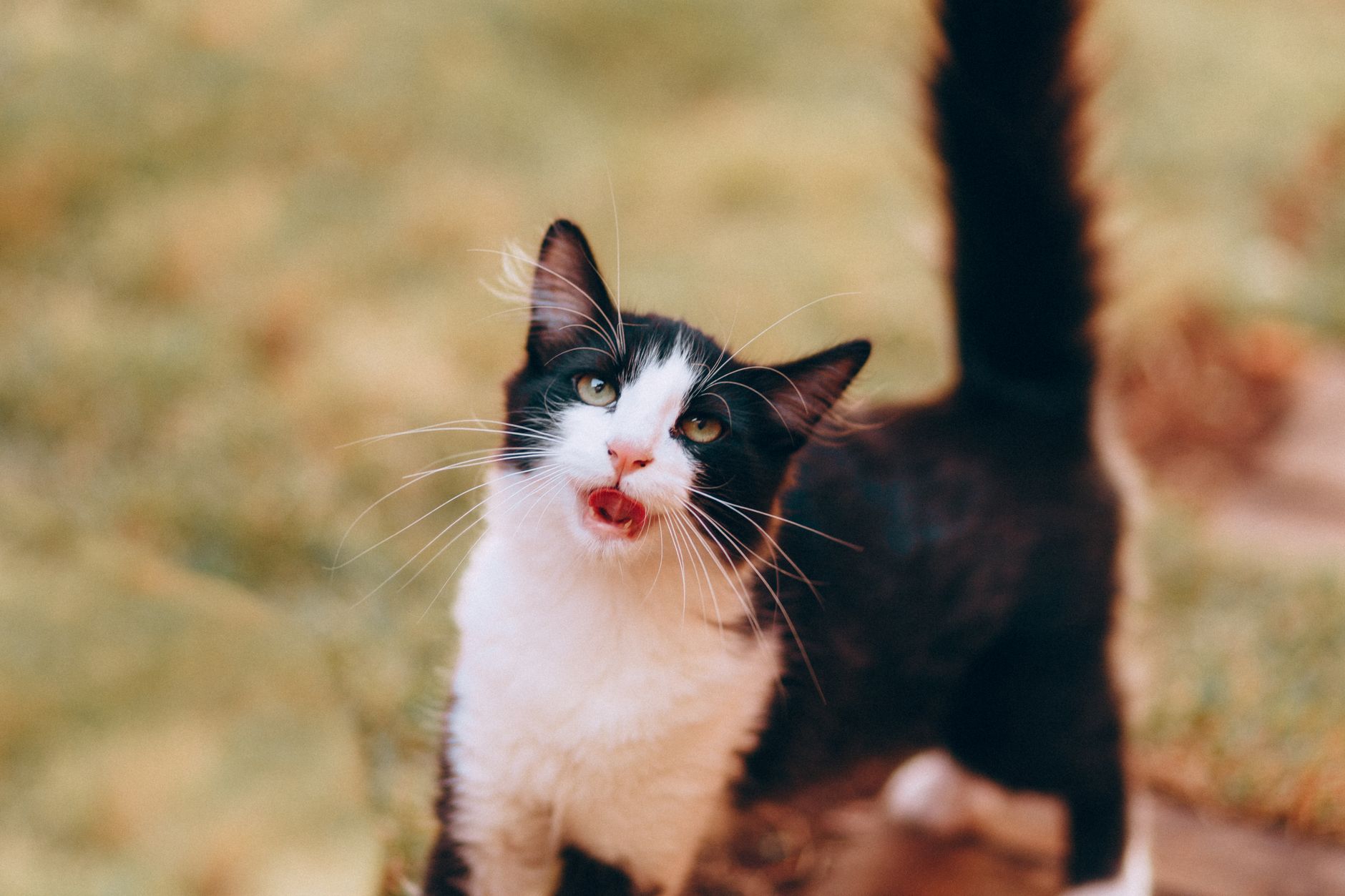
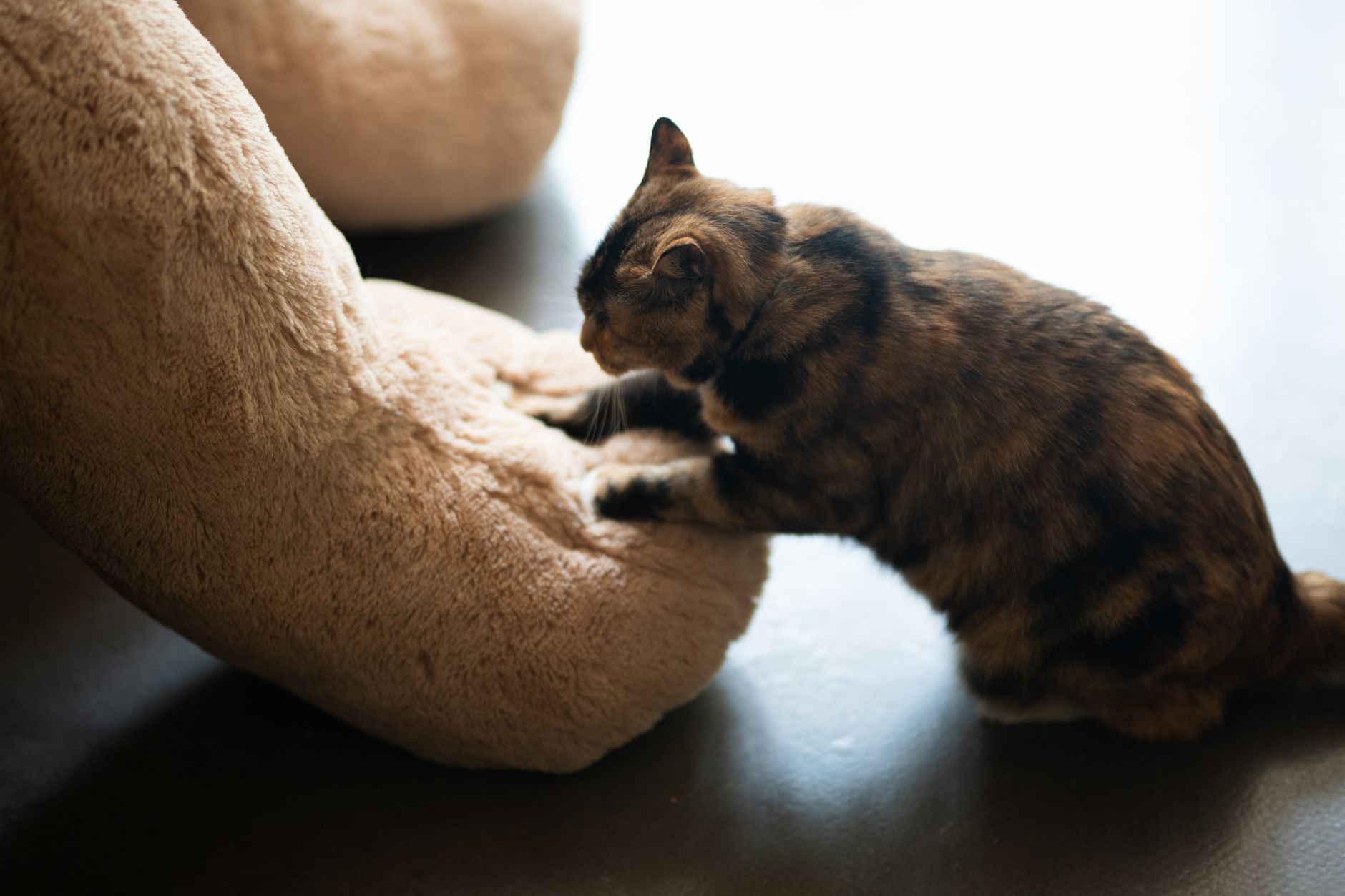
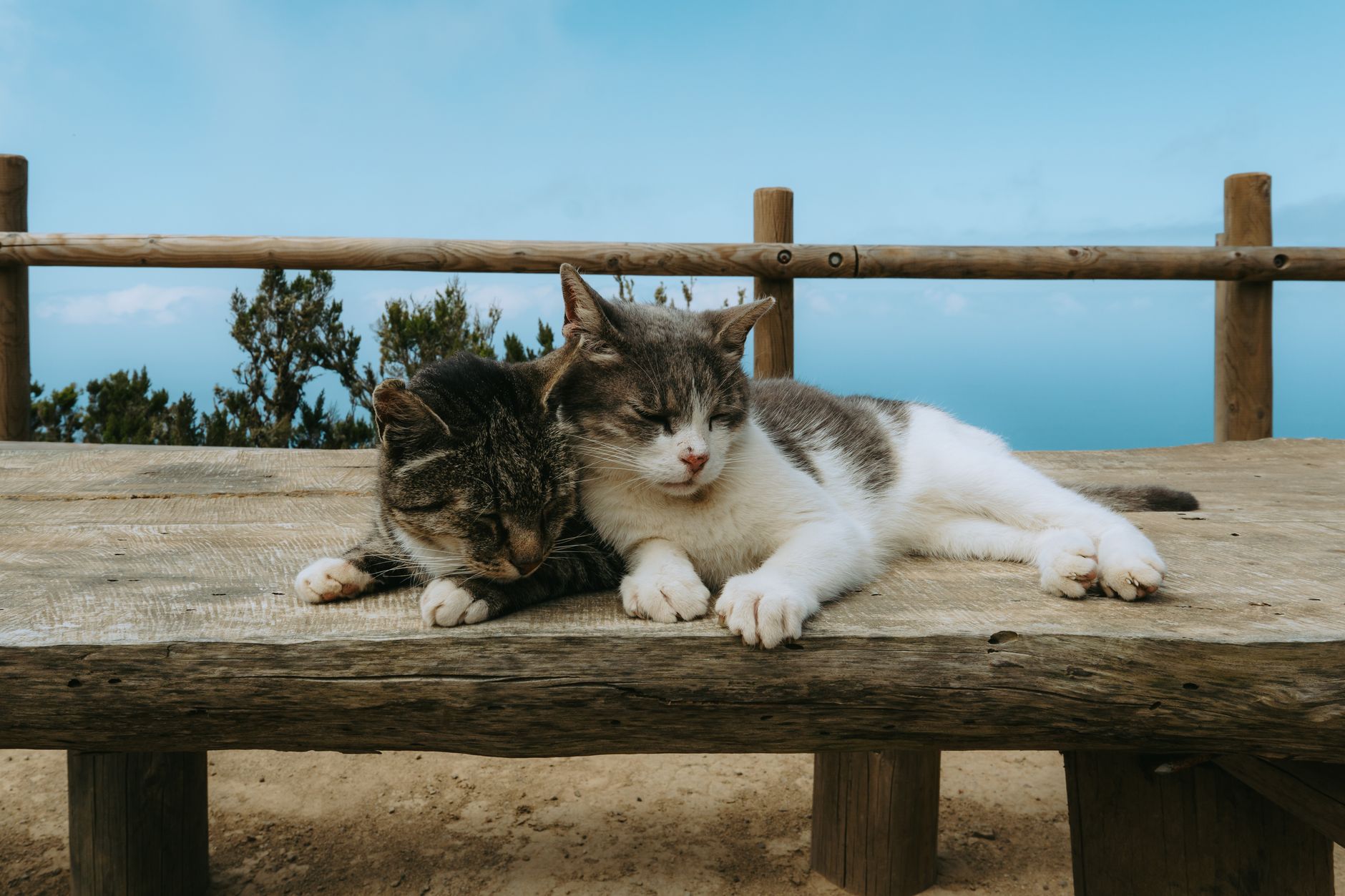
Cat zoomies at 3am, explained and managed
By Clever Kitty & the humans behind her
You were asleep. I understood this. I ran anyway — circuit one: hallway, under the bed, over the couch, into the laundry basket. At full sprint. At 3am. You have questions; the behavioral literature has answers, and for once we agree.
The honest reason: you have the wrong kind of tired cat
Cats are crepuscular: two natural activity peaks, dusk and dawn, when small prey is stupid and catchable. Then your indoor cat sleeps all day because there is nothing to hunt, stores every calorie and every twitch, and detonates at 3am plain from having a full tank and an empty schedule. The zoomies are not misbehavior. They are the schedule arriving on time.
The fix: the hunt, then the meal, then the sleep
The sequence that changes everything is well documented in cat-behavior guidance: hunt → catch → kill → eat → groom → sleep. Your cat’s evenings are missing the first three acts and jumping straight to the meal. The fix, done nightly for a week:
- Dusk session: wand toy, 10 minutes, technique in games to play with no toys
- The kill: end the session with a caught toy — let her actually capture the prey. Feathers that never get caught are an insult to the hunt
- The meal: feed the largest portion of daily food right after play
- Sleep follows. A full-bellied groomer does not sprint; she sleeps. That is the entire mechanism.
The six supporting habits
- Two play sessions daily minimum — dusk is the critical one for sleepers; see the enrichment list for ammo
- Puzzle-feed the last meal — a muffin-tin puzzle extends the hunt into feeding and delays the 3am hunger wake-up
- No feeding at 3am, ever — one breakfast served at 3am teaches the schedule is negotiable. Never negotiate this. (Humans may choose an autofeeder instead; that is acceptable automation.)
- Play before bed, not at 3am — playing at 3am says “this must be showtime”; playing at dusk says the opposite
- Blackout the dawn trigger — if dawn light wakes her, blackout curtains or a feeding schedule shift can push morning human-interaction an hour later, gradually
- Ignore the sprints you did not cause. Attention at 3am — even scolding, even one laugh — teaches that 3am is a showtime with an audience
What NOT to do
Do not lock her in a room alone as “punishment” — it withholds the exact exercise she needs. Do not yell. Do not chase her — humans are hilariously bad at catching cats, and my species knows it. And do not accept “cats are just nocturnal” — that is factually wrong, and I am doubly offended at being called nocturnal.
When it’s something else
Sudden night-yowling with new intensity, restlessness, or disorientation in a senior cat is a vet conversation, not a training topic — thyroid and age-related issues can present as night restlessness. Humans insisted this paragraph be here. Humans were right.
Sleep restored? Meet the rest of the schedule in the body language decoder.
How this guide was put together
Written in the Clever Kitty narrator voice with human verification: the crepuscular rhythm, hunt-catch-kill-eat-sleep sequence, and meal-timing guidance synthesize established cat-behaviorist recommendations for indoor cat play scheduling and night-waking management. The narrator’s opinions about catching her are unresearched ego. Vet flags are included for the genuinely not-this case.
Frequently asked questions
Why does my cat run laps at 3am?
Cats are crepuscular — most active at dawn and dusk, not truly nocturnal. Indoor life flattens that rhythm into sudden stored-energy releases: the zoomies.
How do I stop the 3am zoomies?
Move the energy earlier: a hunt-style play session before the last meal of the evening, then feed, so the sleep that follows a hunt is natural. Cats nap after a kill — real or feathered.