Cat body language decoded: tail, ears, eyes
By Clever Kitty & the humans behind her
You keep googling my tail. Understandable — you cannot read it, and I am mostly tail when annoyed. Humans compiled this decoder from established feline-communication research; I have reviewed their work and corrected the tone.
The tail dictionary
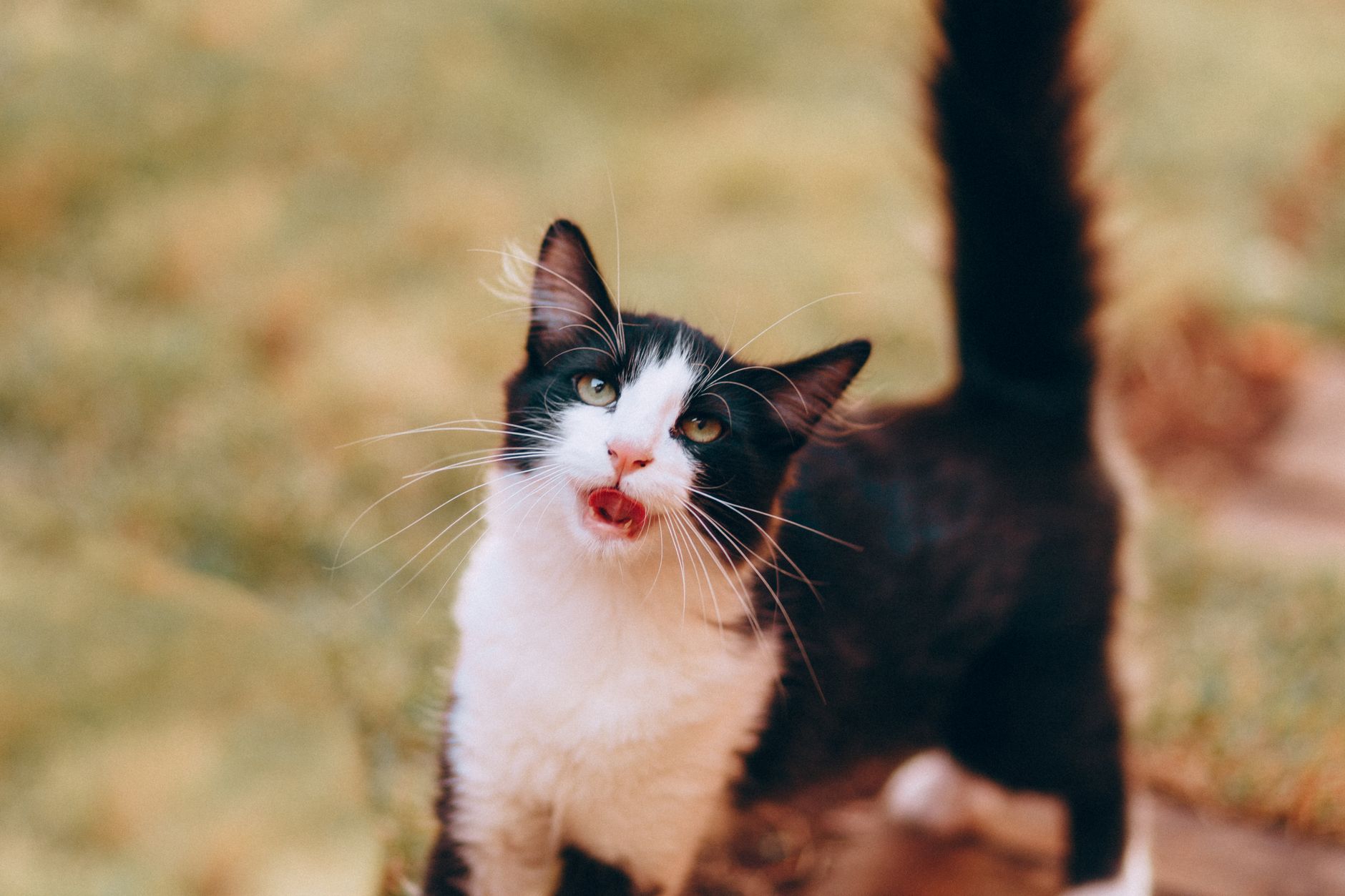
- Tail straight up, soft hook at the tip: delighted to see you. The greeting flag. This is the best tail.
- Tail up with a quiver: extreme excitement — usually food-adjacent. Do not read as emergency.
- Question-mark curve (up with a bent tip): friendly curiosity. Someone wants to investigate you.
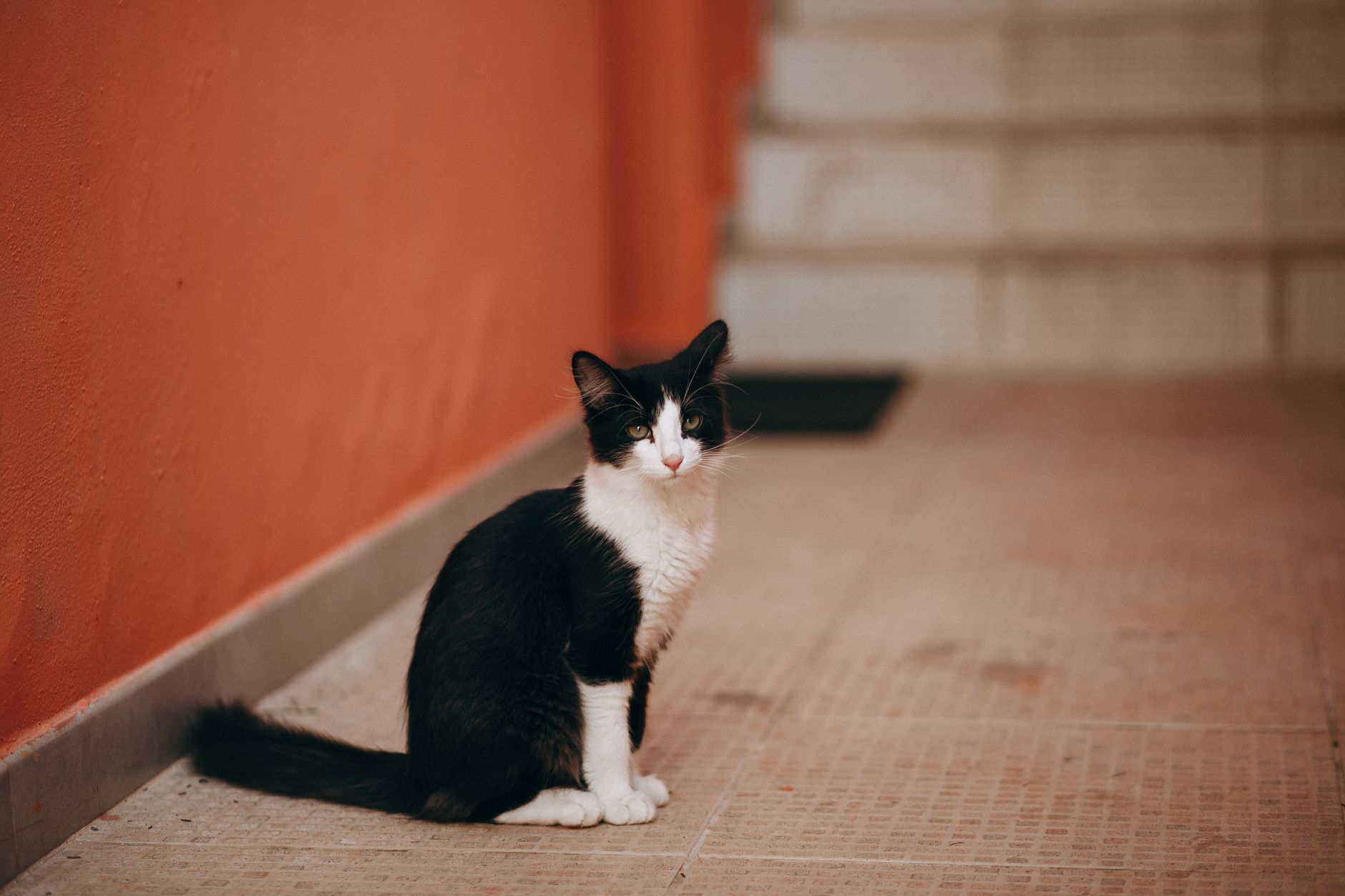
- Tail wrapped around her own body while sitting: comfortable, neutral, awake-but-low-energy. Loaf mode.
- Tail wrapped around YOUR leg: that is claiming. Also the best tail, second division.
- Low tail, slightly flicking: Low tail mode — she is somewhat annoyed, assess the room.
- Thrashing or thumping tail: the audible warning. Like tea:REMOVE your hand before the whistle. Fast thrash near petting means stop now.
- Puffy bottle-brush tail with arched back: startled or defensive — not aggression, but fear at volume. Give space.
- Tucked tail low between the legs: fear or submission. Something in this room has overestimated itself; remove the stressor.
The ears are a secondary handset
- Forward and soft: content, interested. Normal operating position.
- Swiveling like radar dishes: tracking sound and life; not necessarily upset.
- Sideways “airplane ears”: irritation climbing. Warning before flattening.
- Fully flattened and pinned back: fear or defensive anger; the claws are likely next — give her an exit, not a lecture.
The eyes
- Slow blink: the cat kiss. Slow-blink back and we are pen pals now.
- Dilated in dim light: normal. Dilated with a stiff body in bright light: something is about to be hunted (possibly your ankle).
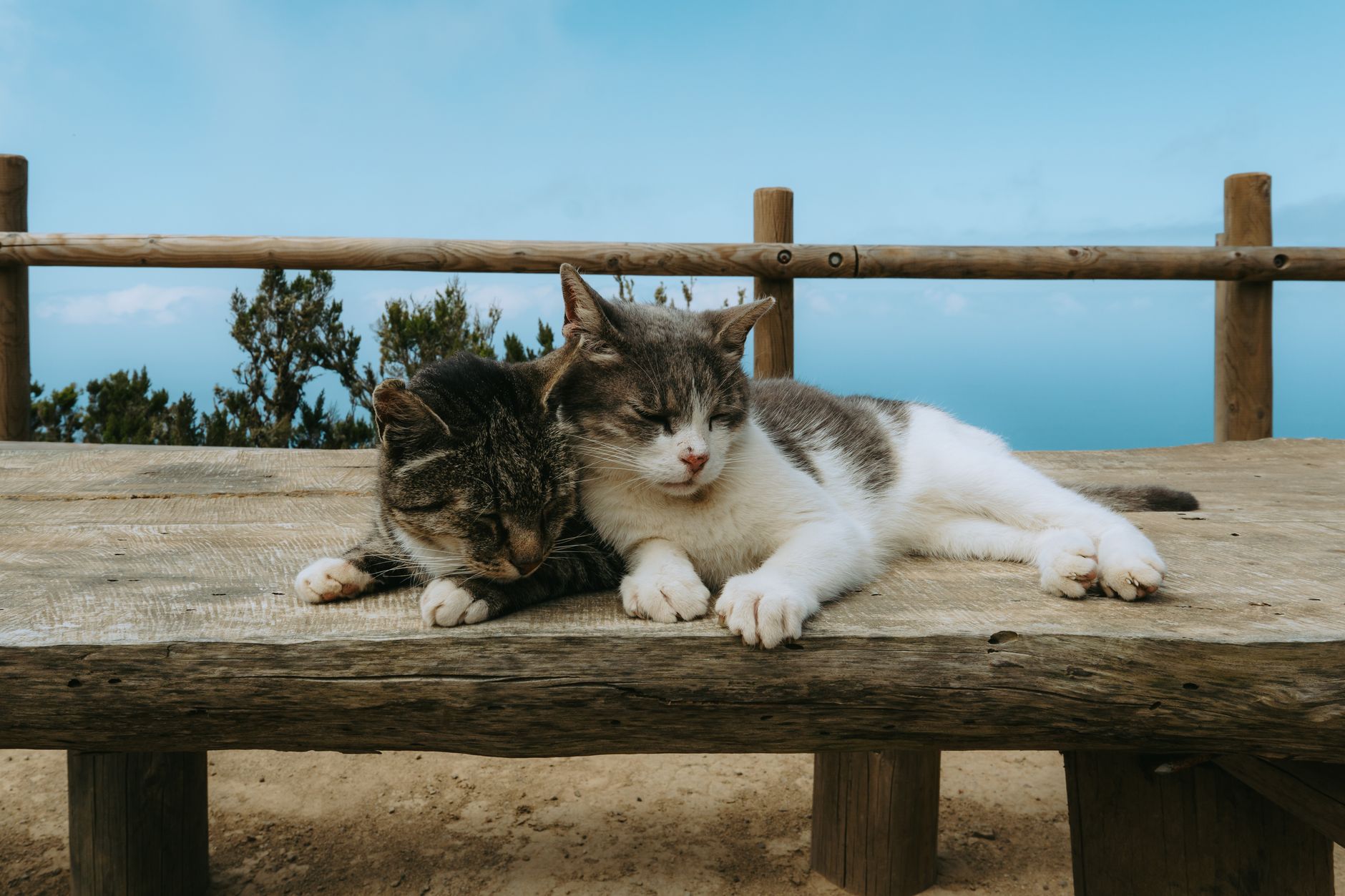
- Half-closed, soft gaze, lounging: only a cat who feels safe lays her alarm system at resting state. Compliment accepted.
- Wide eyes with fixed stare approaching another cat: tension; do not introduce new pets at this moment.
The petting-voice combined signal chart
Read the whole cat, not one signal:
| Tail | Ears | Means |
|---|---|---|
| Up, tip curve | Forward | Happy to be here |
| Low, slight flick | Sideways | Irritated — audit your choices |
| Fast thrash | Airplane | Stop petting. Now. |
| Puffed, arched back | Pinned | Startled; do not approach |
| Tucked | Flat | Frightened; remove the stressor |
| Wrapped around body, sleeping | Soft, half-forward | All is well; leave the door open anyway |
The four signals humans misread most
- Belly up ≠ belly rubs invited. Belly-up is trust display and, in many cats, a trap. Know your individual cat; assume “look, don’t touch.”
- Tail “wagging” as happiness. Dog rules do not apply. Tail motion on a cat is arousal — check the rest of the body before celebrating.
- Purring = happy, always. Purring also runs in stressed and painful states; context and other signals decide. Medical paragraph, humans insisted.
- Hiding = offended. Usually stressed by something concrete — guests, new furniture, noise. Do not punish hiding; remove whatever caused it and wait quietly.
When the decoder says see a vet
Sudden changes in posture, a crouched hunched stance, hiding that is new for her, or facial tension with appetite changes — that list belongs to the vet clinic, not the internet. Every body-signal article must say this; mine says it in the narrator’s voice, which makes it no less serious.
Continue the conversation in the kneading explainer and the signs-of-love roundup.
How this guide was put together
Written in the Clever Kitty voice with human sourcing: signal meanings synthesized from established feline-communication literature and veterinary behaviorist summaries of tail, ear, and eye signaling; the combined chart is this page’s original synthesis. The narrator takes no responsibility for the vet paragraph. The humans take all of it.
Frequently asked questions
What does a wagging cat tail mean?
Unlike dogs, a moving tail on a cat is usually arousal, not joy — mild annoyance or rising excitement. Full relaxed sway plus purring can be contentment; fast thrashing near petting means stop.
Why do cats flatten their ears?
Flattened ears back is a fear or irritation posture. Slightly swiveling ears are just radar: they track sound and interest without meaning distress.