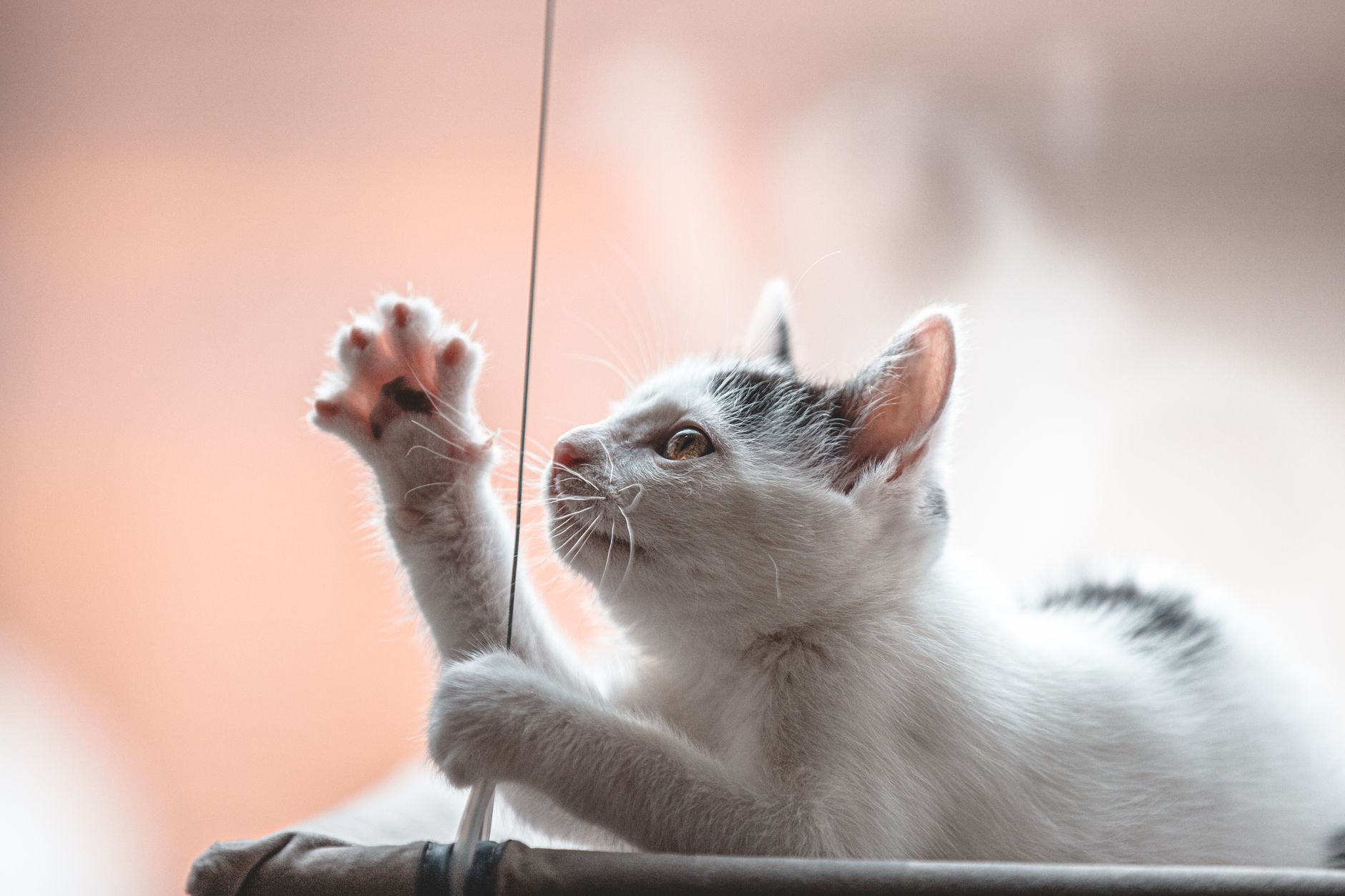
Indoor cat enrichment on a budget
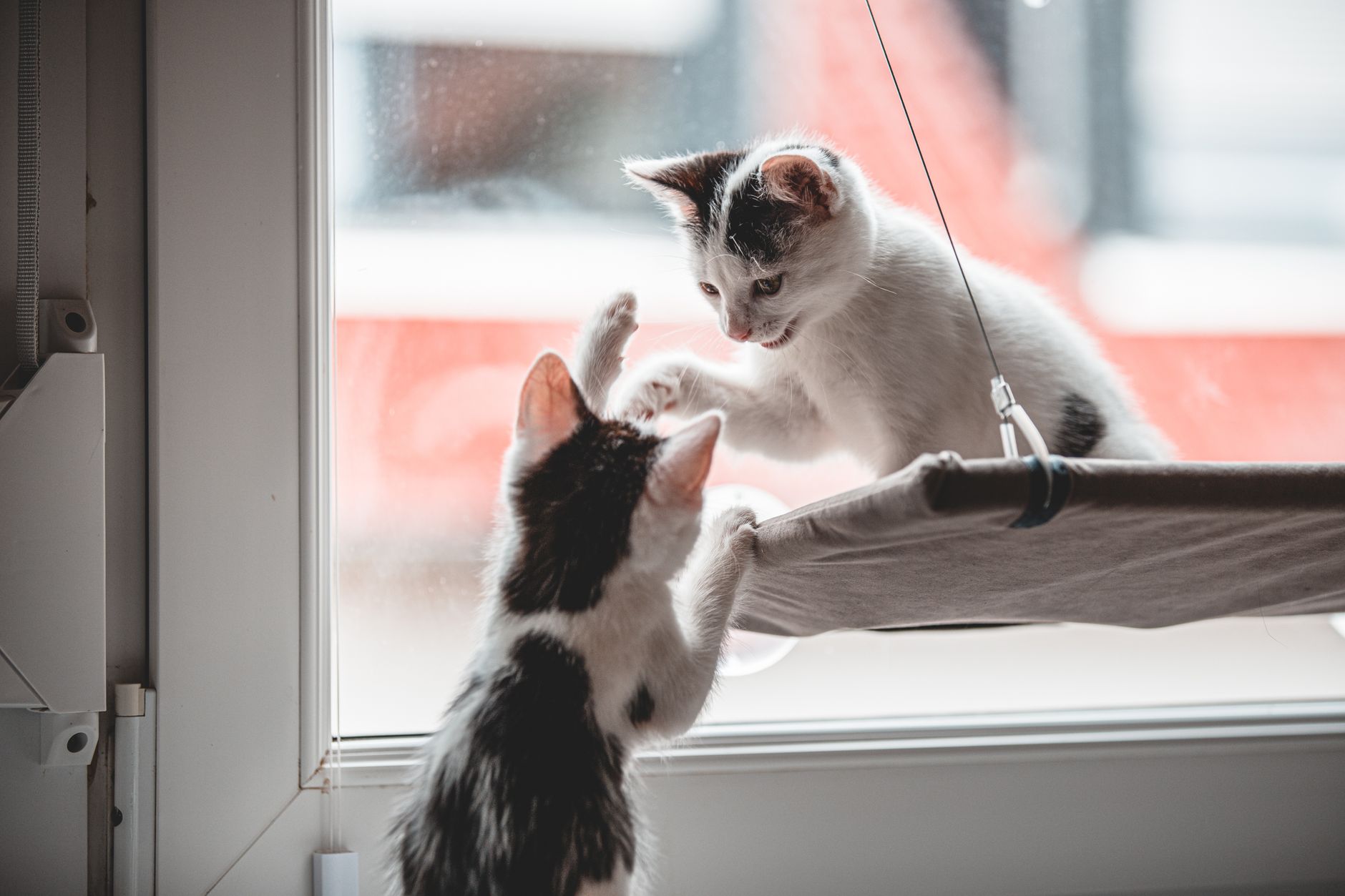
By Clever Kitty & the humans behind her
A bored cat is a cat who redecorates your curtains. This page is my field-tested list of cheap-to-free ways to turn your home into sufficient habitat. Humans cross-checked the ideas against enrichment advice from veterinary behavior sources; the cardboard opinions are mine.
The window strategy (free, best return on investment)
- Feed the window bird zone. A bird feeder outside my window is television. Position a perch or cushion at sill height and I will watch for hours. No cat at the feeder outside, please — bird safety first.
- Open the blinds by default. Sunbeam positions migrate; access to all of them matters more than any toy.
- A “cat shelf” window desk. Even a sturdy chair by the window works. Height plus view equals a satisfied cat who watches rain professionally.
Puzzle feeding (near-free)
- The muffin-tin puzzle. Kibble in a muffin tin, tennis balls on top — I must excavate breakfast. Turns two minutes of eating into ten minutes of work.
- The shoebox snuffle box. Kibble buried under crinkle paper inside a box. Designed for dogs, stolen shamelessly by cats.
- Stair kibble scatter. Toss kibble down a staircase; the hunt burns energy before dinner, not after.
Toy rotation for free (the core concept)
- Rotate, never flood. Cats bore of static toy piles. Keep 3 toys out, rotate weekly from a drawer; each rotation is technically a new toy. Humans bought me 30 toys; I played with four. The rotation makes your existing toys endless.
Cardboard architecture (my magnum opus)
- Box upgrades. A box with two doors beats a fancy bed, science says so and so do I. Cut two entry holes, and I may sleep there for weeks.
- The castle of boxes. Tape 3–4 boxes into a multi-room compound; corner doorways are my preference. Total cost: zero, aesthetic: brutalist.
- Box + paper bedding = nap kill zone. One crinkled paper layer inside the box doubles occupation time. Humans keep documenting this like it is science. It is.
Motion-based hunting (the hunter needs it)
- Wand toy sessions with proper technique. Two 10-minute sessions before meals outperform free access all day. The kill sequence matters — see the technique laid out in games without toys.
- The paper ball league. Crumpled paper on tile: instant hockey. Zero cost, endless rematches.
- Hidden-treat hunt. Hide 5 treats around one room at nose height and floor level; let me hunt them nightly. This exercise is my evening news.
The social slot (the one humans forget)
- Grooming-as-bonding time. Two minutes of brushing a day is enrichment for me and reduces your furniture-level fur. Win, win.
- Follow-the-human inspection rounds. Simply letting me supervise your chores counts as enrichment. My opinion matters on the fitted sheet. Include me.
Pair this with the 3am zoomies explanation if nights are the problem, and the new cat checklist when the home is brand new.
How this guide was put together
Written in the Clever Kitty narrator voice with human research backing — enrichment categories and puzzle-feeding concepts synthesized from established animal-welfare enrichment guidance and veterinary behaviorist recommendations. The cardboard opinions are the narrator’s own, and the humans stand behind the general advice; see the methodology page for the sourcing process.
Frequently asked questions
How much playtime does an indoor cat need?
Behavior guidance commonly totals 20–40 minutes of active play per day, split into short sessions. Cats are sprinters, not marathoners — two ten-minute bursts beat one long session.
Is a bored cat a destructive cat?
Under-stimulated indoor cats commonly redirect energy into knocking objects off shelves, over-grooming, or 3am races. Enrichment is the fix, not scolding.