15 signs your cat actually loves you
By Clever Kitty & the humans behind her
Fellow humans. You would like to know if I love you. I do — statistically speaking, my species forms attachment bonds to their people that researchers call “secure” — but we say it in cat, and you keep googling. So here it is, plainly. Fifteen signals. The humans verified each one against cat-behavioral research so that you cannot dismiss this as feline propaganda.
The big four (learn these first)
- The slow blink. When I look at you and close my eyes slowly, that is a love letter. Behaviorists call it a “cat smile.” Return a slow blink and watch my ears soften — a conversation is happening.
- The head-bonk (bunting). When I ram my forehead into your shin, chin, or open laptop, I am depositing my facial pheromones on you. You have been officially claimed as mine. This is irreversible.
- The tail question mark. Tail up, tip curved into a hook when you walk in the room: delight. The greeting tail is the closest thing we have to a human “I missed you!”
- Showing you the belly — the trust display. Note carefully: this is trust, not an invitation. Some cats love belly rubs; most treat a hand landing there as a treaty violation. Admire the belly. Ask first.
The mid-tier signals (you are being chosen)
- Following you room to room. I supervise your cooking, your bathroom visits, your reading. I am not needy. I am oversight.
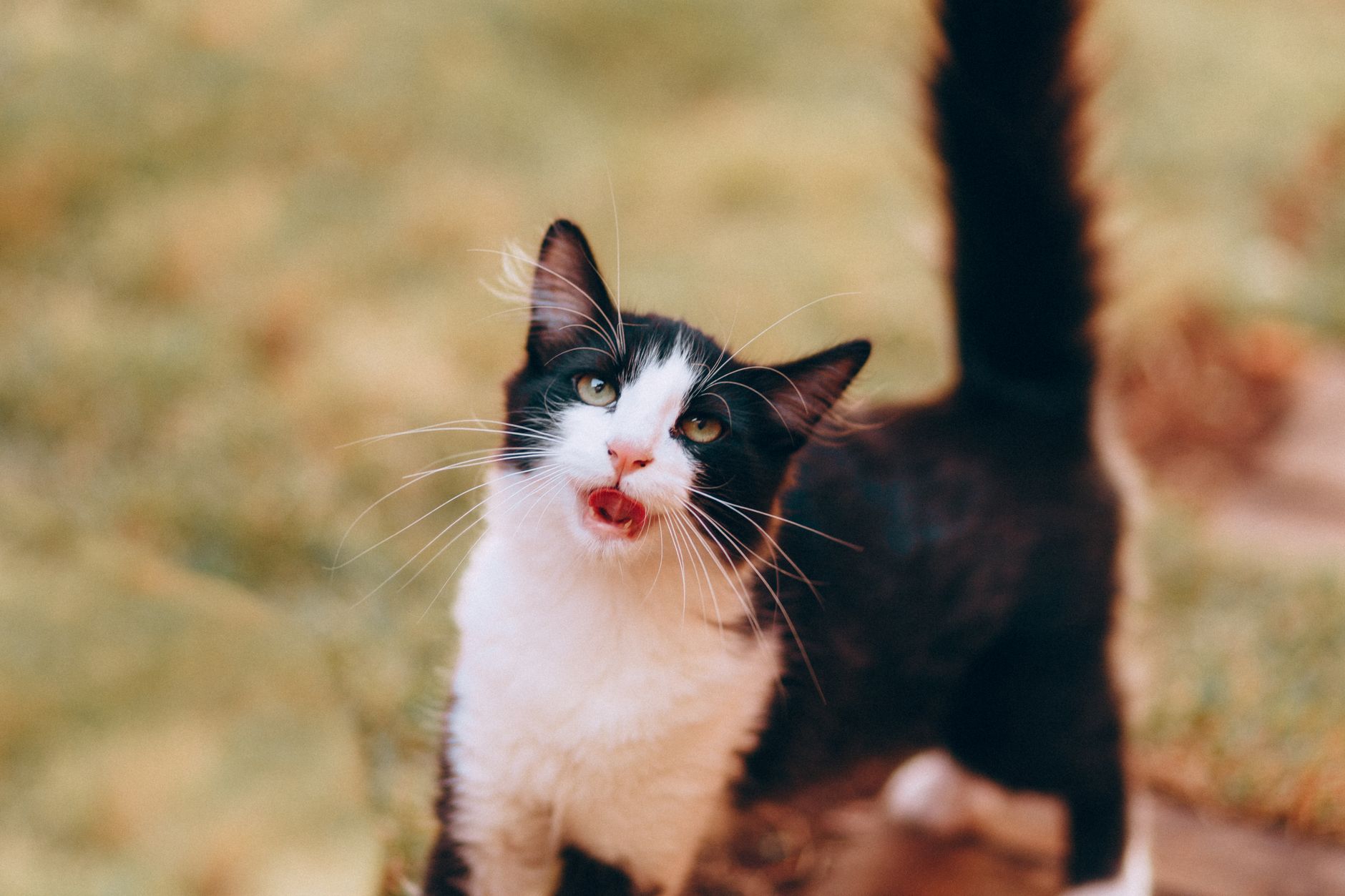
- Talking to you. Cats meow at humans far more than at other cats — conversation is reserved for people who respond.
- The gift. A toy mouse at your doorstep, I brought you my toy at 6am — this is a present, or a lesson, depending on the toy.
- Grooming you. Licking your hand or hair marks you as family. You are being groomed by something that showered this morning. Accept.
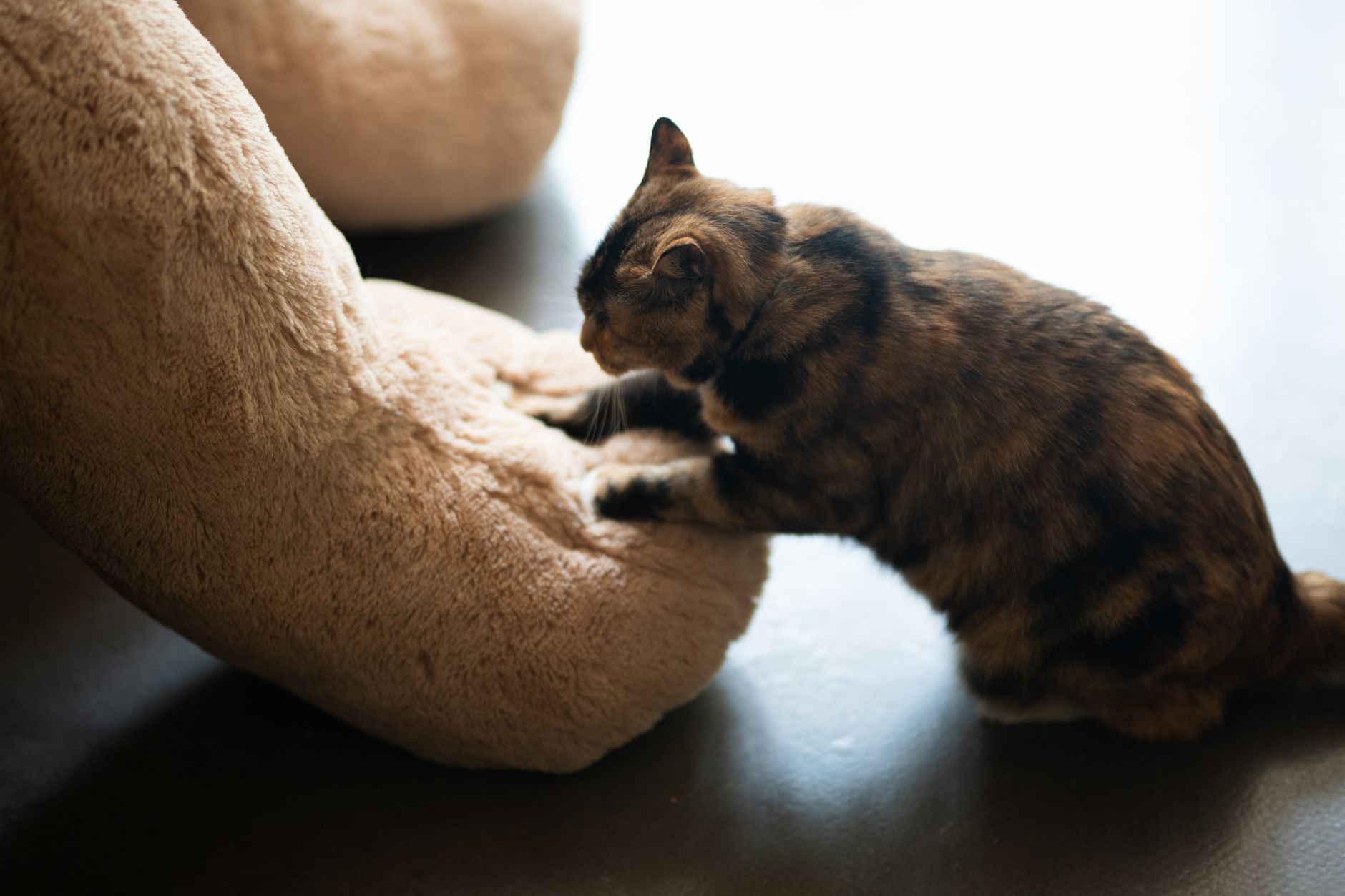
- Kneading with intensity. The lap-biscuits mean I feel kitten-safe with you. Full explanation in why cats knead, because she has questions.
- Sleeping on your laundry. Your scent is the best mattress. I am conserving a sense of you while you are gone.
The quiet signs (watch near)
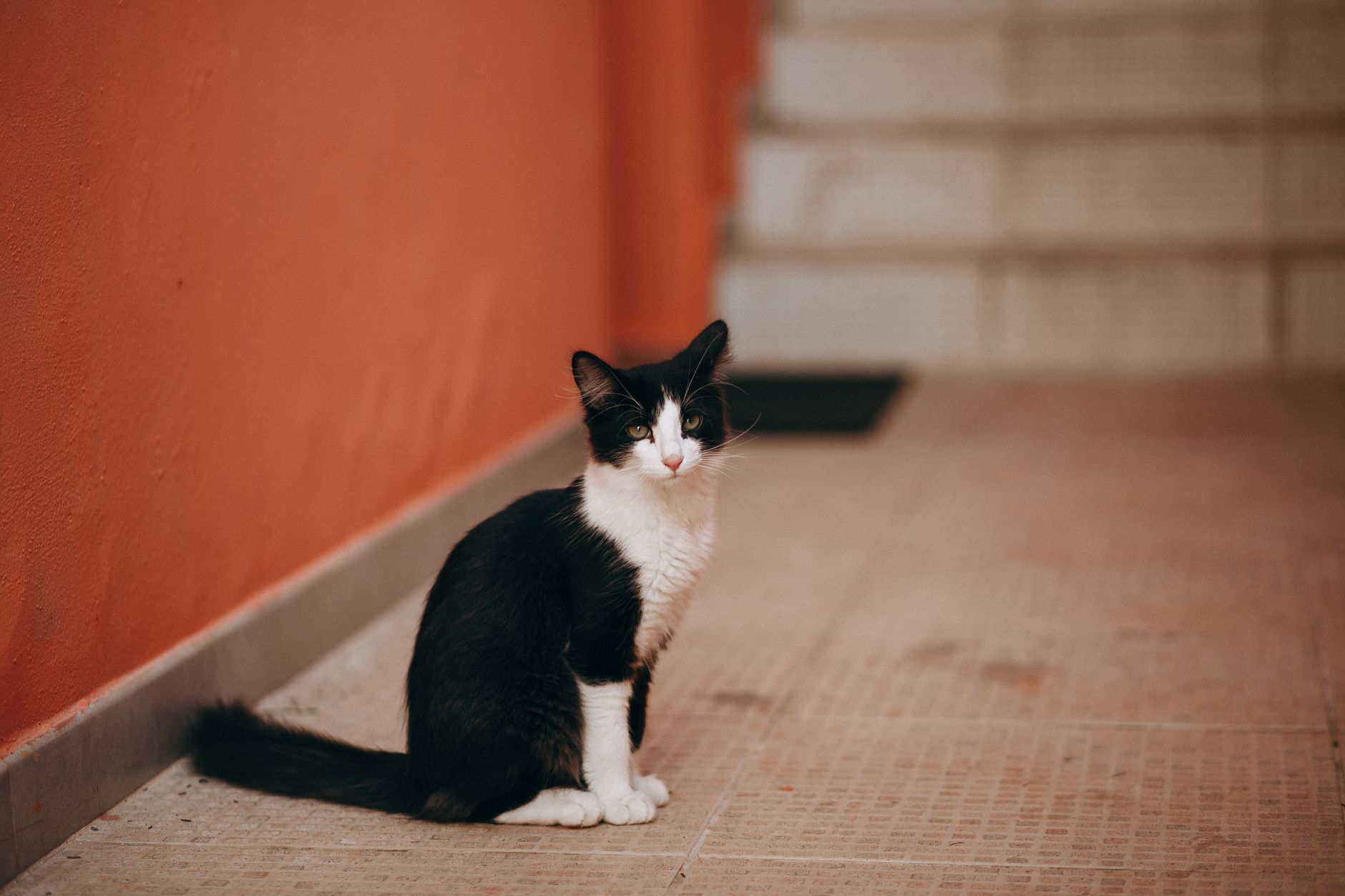
- Slow approach across the room, tail up. From across the apartment, I have chosen you.
- The chirp or trill greeting at the door. A response is reserved for those I expect to feed and admire me.
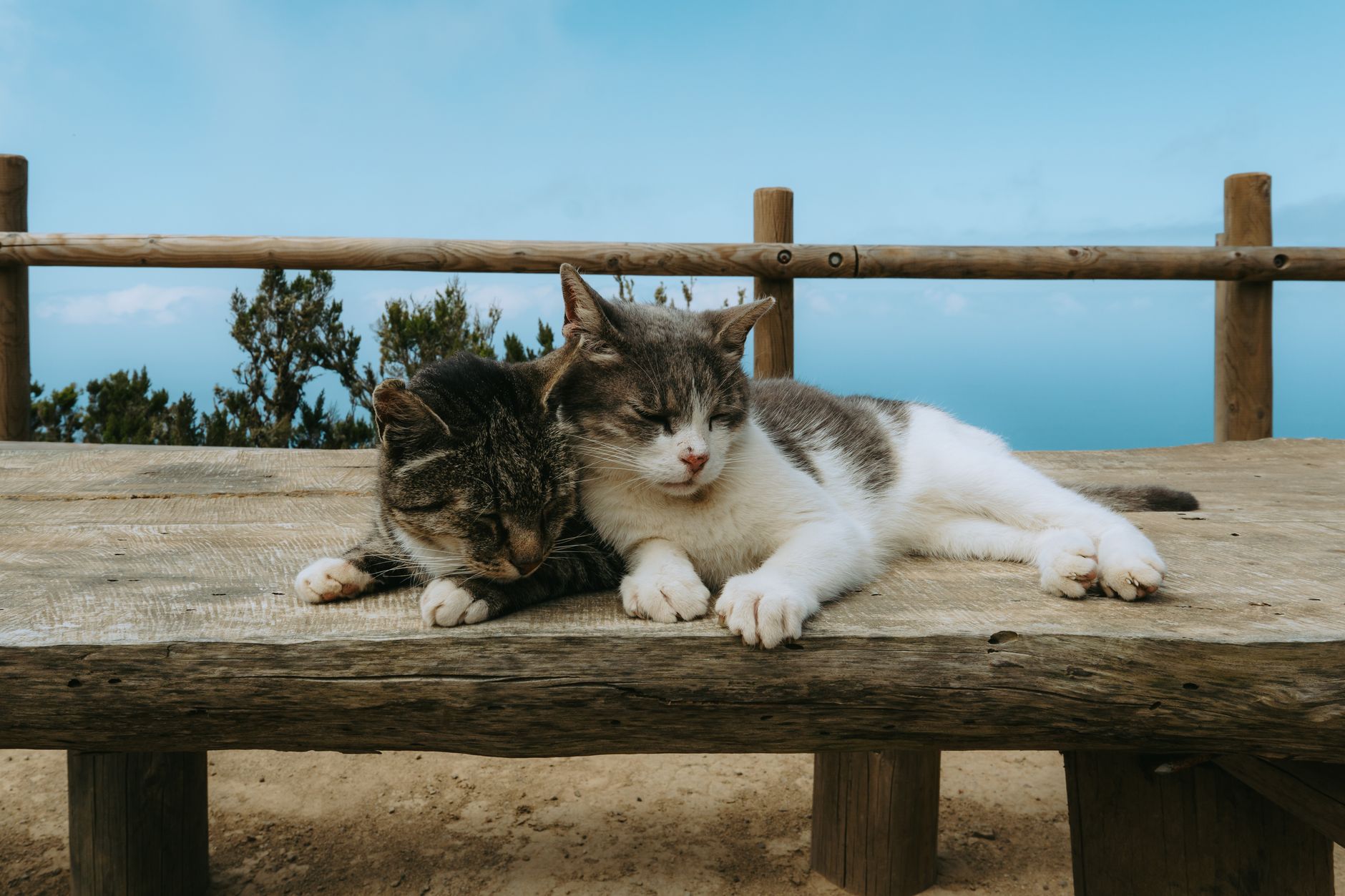
- Sitting nearby but not on you. Proximity is affection for the reserved; presence is love.
- Eye contact first, then mercy blink. I asked the room if it is safe; you passed.
- Purring in your presence, specifically. Purring has many meanings, but the mealtime-plus-couch purr withwith relaxed whiskers is contentment in an audio format.
The one non-signal humans misread
Purring does not always mean happiness — cats also purr when stressed or in pain. Context decides. If my purr comes with hiding, appetite changes, or unusual behavior, call the vet; that paragraph is here because the humans insisted.
Read next: the full dictionary of tail-and-ear talk in cat body language, decoded and the lap-antics explained in why cats knead.
How this guide was put together
Written in the Clever Kitty narrator voice; the human team behind the site compiled these fifteen signals from established cat-behavior research and behavioral-veterinary literature on feline attachment and communication, then verified each against current vet-behaviorist summaries. The love language is real; the narrator is a persona — see our methodology for sourcing details.
Frequently asked questions
Do cats actually love their owners?
Research on cat attachment shows cats form secure bonds with their people — expressed differently from dogs, but real. The signs below are the standard bonding signals catalogued by behavior researchers.
Does my cat love me if she doesn't cuddle?
Yes. Many cats show attachment through proximity (same room, slow blink, following you) rather than lap contact. Cuddling is one dialect, not the whole language.