How to photograph your cat like a pro
By Clever Kitty & the humans behind her
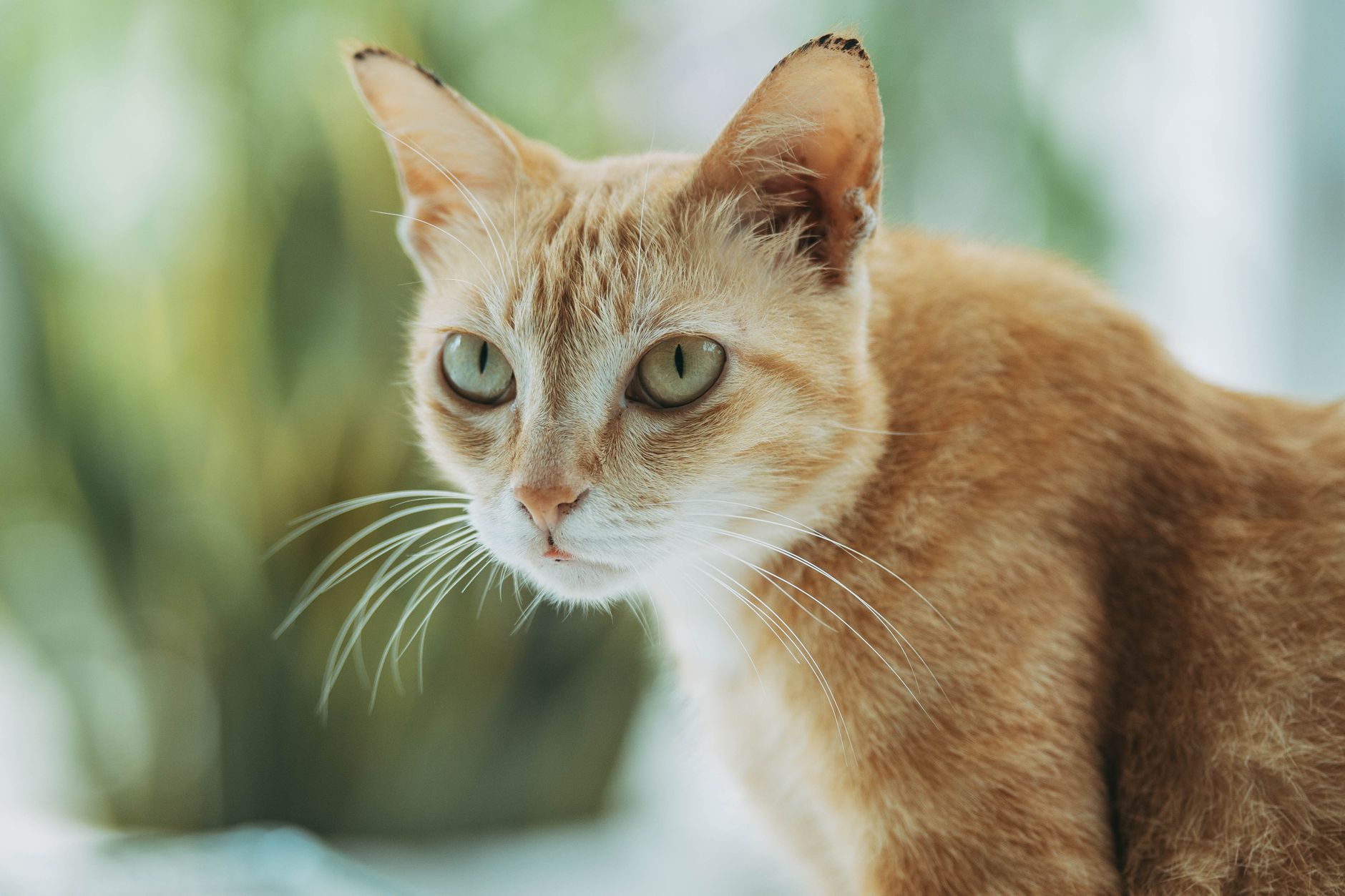
You try to photograph me. I blink. You have, in that instant, created 40 blurry images. Here is how to photograph your cat — meaning me — with the success rate improved from grief to portfolio. Human photo research checked the tips; my expression in the hero image was approved on a case-by-case basis.
Light first, everything else second
- Bright, indirect daylight — window light facing you, cat between you and the window? No — window behind you, cat lit by it, you shooting toward the lit cat. Direct sun produces squinting; sheer-curtain light is ideal.
- No flash. Ever. Cats react to flash with the precise expression of a creature who has decided to fire you.
- Phone: tap the cat’s eye to meter, then slide brightness up a touch. Eye detail matters more than fur detail for pin appeal; exposure for the eye.
Level and lens
- Get to my eye level. Floor, mattress, cat tower stair — standing above me produces the paperwork photo; kneeling beside me produces the portrait. This is the single biggest upgrade.
- Burst mode, always. Hold the shutter for burst; pick the sharpest ear-tilt afterward.
- Treat just above the lens. Hold a treat or a feather directly above the phone’s lens; my ears prick, my eyes lock where you need them, you fire the burst.
Composition that survives Pinterest
- One cat, one surface. The uncluttered portrait (cat on chair, on rug, on windowsill) outperforms the cat-plus-clutter scene every time. Negative space is your friend — it is not loneliness.
- Whiskers need room. Do not crop the whisker tips; they are part of the cat. Leave margin beyond the whiskers or the crop feels cramped even if nobody can name why.
- Background 1 f-stop behind me. In phone terms: distance between cat and background matters more than blur. A cat on a distant bed beats a cat on a busy shelf even with portrait mode on.
The 5-minute session, not the hour
Set a 5-minute window, then stop. Cats offer their best expressions in the first 90 seconds; patience past that produces resentment and hiding. Three short sessions beat one long production because the cat in session three still wants to be there.
A word on pins, since I am a Pinterest cat
Vertical 1000×1500 pins need the cat’s face in the upper half — upper-third, not centered. Text sits below the face, large Fraunces, honey accent, whisker-pale background — the cozy palette the humans already switched to for this revamp. This image itself (and all companions on the site) is licensed stock via Pexels, not a photograph of the narrator; every such image is credited on the image-credits page.
How this guide was put together
Written in Clever Kitty voice with human sourcing: lighting, level, and burst guidance synthesized from widely published pet-photography tips and phone-camera best practice. The pin-composition advice reflects this site’s own cozy palette and format. Photos referenced here are licensed stock, not of the narrator — see methodology and image credits.
Frequently asked questions
Why do cat photos look blurry on a phone?
Cats move during the shutter. Burst mode plus bright, indirect light raises shutter speed and catches a sharp frame among the motion.
What is the best angle for cat photos?
Cat eye level or just below, not standing above. Floor perspective plus a treat just above the lens produces the alert-ear, soft-eye look that pins well.