Best cat breeds for apartments
By Clever Kitty & the humans behind her
I am a domestic shorthair of mysterious provenance. I approve this message. The humans researched breed traits from established breed standards and rescue-organization guidance and asked me to be honest about how much breeds matter versus the actual cat in the shelter cage.
The truth before the list
For apartments, temperament beats pedigree. A calm adult rescue who slept through the shelter visit will suit small-space life better than any kitten of the correct breed purchased on specification. If you want a cat for an apartment, visit the shelter, sit, wait, and let a quiet cat choose you.
That said — here are the breeds that tend to fit apartment constraints well, and why.
Quiet, people-oriented, adaptable (top apartment traits)
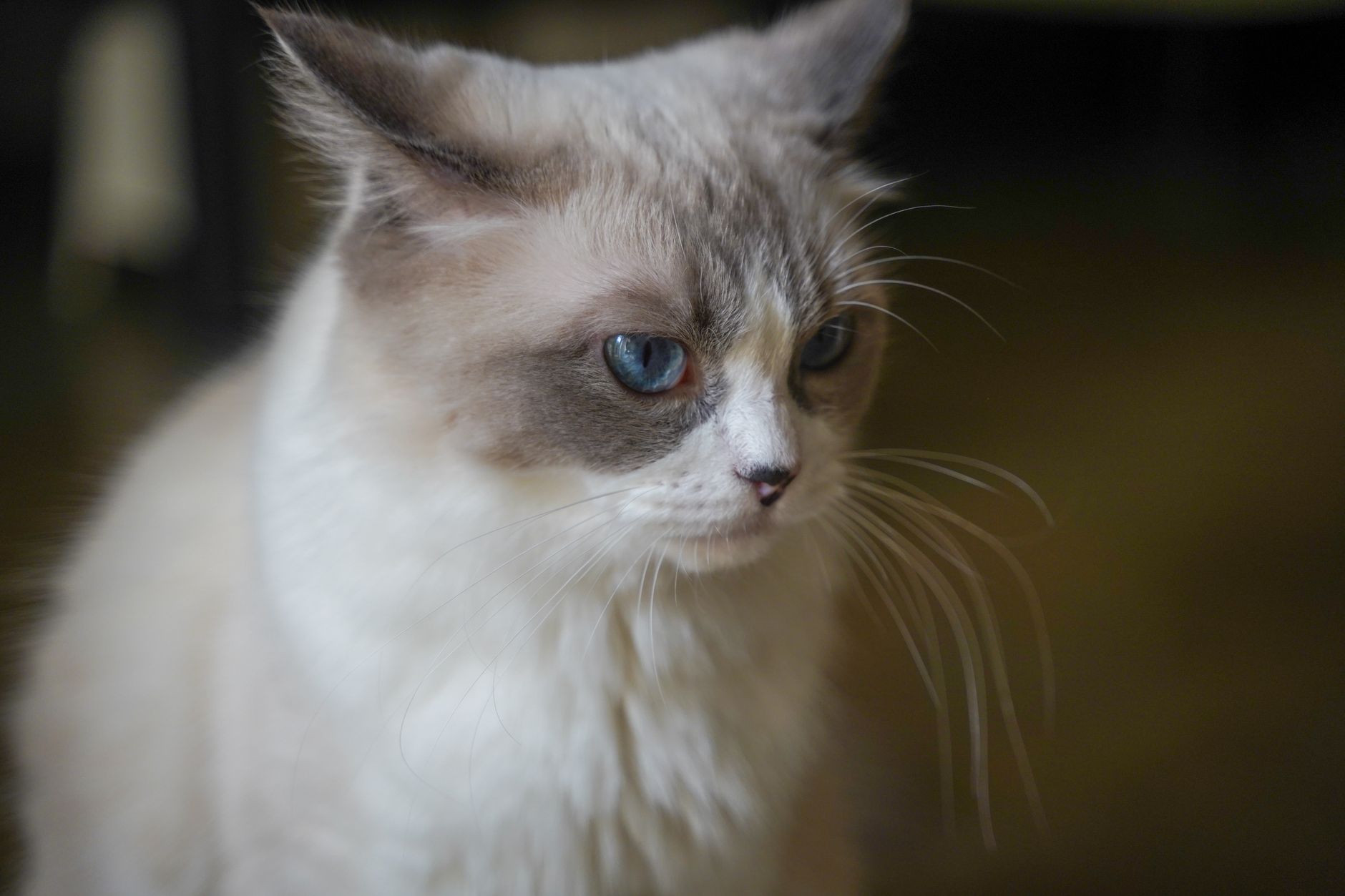
- Ragdoll — famously placid, follows her human room to room, tolerates handling, low vocal volume. Sheds like it is a profession, so budget grooming. Large cats who think they are lap cats.
- British Shorthair — contained energy, independent but affectionate, thrives on routine. Apartment ideal for people who work from home and like a cat who respects the closed-door meeting.
- Scottish Fold — soft-spoken, owl-like posture, bonds strongly to one person. Requires ear health awareness — that fold carries a cartilage condition worth a vet conversation before deciding.
- Russian Blue — shy with strangers, loyal to her person, quiet and tidy. Allergens lower for some people (no cat is hypoallergenic), but Russian Blues lean lower-shed for an indoor life.
- Persian / Exotic Shorthair — low-energy loungers, glorious coats that demand daily grooming. If you love the look, love the brush. Apartment-perfect couch companions otherwise.
- Burmese — playful without being destructive, dog-like sociality in a small-space package — good for people who actually want interaction, not just décor.
The vocal, needs-space group (think before renting small)
- Siamese, Oriental, Bengal — brilliant, loud, athletic, endlessly curious — a tiny apartment with a Siamese can feel like sharing a studio with an opera singer. Wonderful cats, bigger-habitat needs.
Rescue first, breed second
Domestic shorthair rescues are the most apartment-tested population in shelters. Ask for: adult (personality is visible), low outward stress in the carrier, gentle handling test passed, and the shelter’s note on litter and scratching habits. Bring this checklist to the shelter, not just a breed name.
Pair Choosing with the new cat first-week checklist and the future cat age calculator to place her life stage once she chooses you.
How this guide was put together
Written in Clever Kitty voice with human sourcing: breed traits summarized from established breed-standard descriptions and shelter-adoption guidance on apartment suitability. The rescue-first framing is the editorial stance here, not a breeder directory. Nothing here replaces a shelter visit or a vet conversation about a specific cat.
Frequently asked questions
What is the best cat breed for a small apartment?
No single breed wins. Rescues and mixed-breed domestic shorthairs adapt well to apartments when matched by temperament — look for a calm, people-oriented cat over a breed label.
Are some breeds quieter than others?
Generally yes — breeds like Ragdoll, British Shorthair, and Scottish Fold tend to be quieter, while Siamese and other Oriental types are famously vocal. Individuals vary more than the breed card suggests.